

What materials are used to construct a training tower?
Hey there! I'm in the business of supplying training towers, and today I wanna chat about the materials used to construct these bad boys. Training towers are super important for all sorts of training scenarios, like firefighter drills, emergency response training, and more. So, let's dig into what goes into building them.
Steel
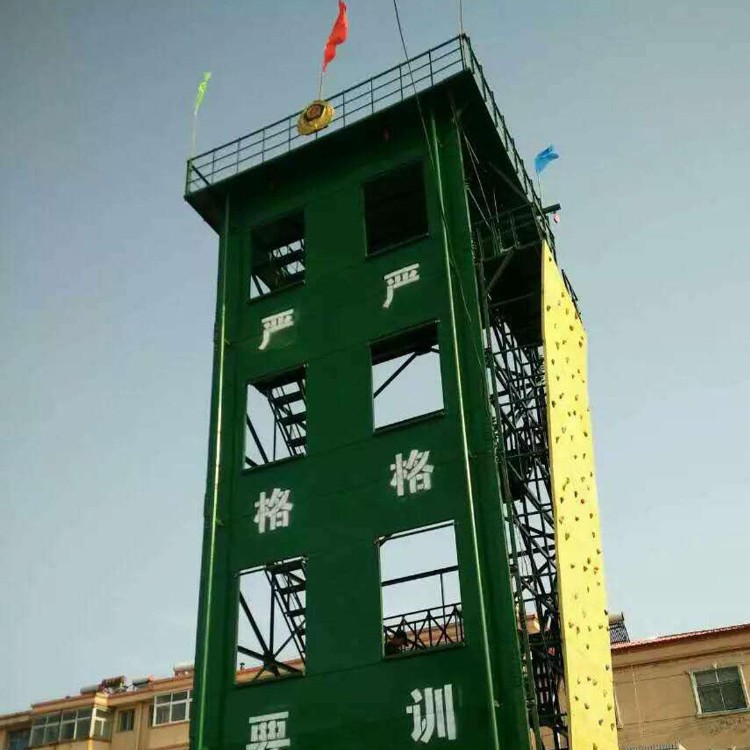
Steel is one of the most popular materials for training towers, and for good reason. It's strong, durable, and can withstand a lot of wear and tear. Steel training towers are known for their structural integrity, which is crucial when you've got people climbing up and down, performing various drills.
One of the great things about steel is its versatility. You can shape it into different designs and configurations to meet the specific needs of a training program. Whether you need a simple, straight-up tower or one with multiple levels, platforms, and obstacles, steel can make it happen.
Another advantage of steel is its resistance to fire. In firefighter training, this is a huge plus. Firefighters need to practice in an environment that mimics real-life situations, and a steel training tower can handle the heat and flames without compromising its structure.
If you're interested in steel training towers, you can check out Steel Training Towers for more information.
Concrete
Concrete is another common material used in training tower construction. It's heavy, solid, and provides a stable base for the tower. Concrete training towers are often used in areas where there's a need for a long-lasting, low-maintenance structure.
One of the benefits of concrete is its ability to absorb and dissipate heat. This makes it a good choice for firefighter training, as it can help protect the tower from damage during fire drills. Concrete is also resistant to corrosion, which means it can last for many years without needing major repairs.
However, concrete does have some drawbacks. It's more expensive to install than steel, and it takes longer to build. Also, once a concrete tower is built, it's difficult to make changes or modifications to its design.
Wood
Wood is a traditional material that's still used in some training tower construction. It's relatively inexpensive, easy to work with, and can give a more natural look to the tower. Wood training towers are often used in rural areas or for training programs that focus on outdoor skills.
One of the advantages of wood is its flexibility. You can easily cut, shape, and assemble wood to create different types of structures. Wood is also a good insulator, which can help keep the tower warm in cold weather.
But wood does have some limitations. It's not as strong as steel or concrete, and it's more susceptible to damage from fire, insects, and rot. Regular maintenance is required to keep a wood training tower in good condition.
Composite Materials
In recent years, composite materials have become more popular in training tower construction. These materials are made by combining two or more different materials to create a new material with unique properties.
Composite materials offer a number of advantages. They're lightweight, strong, and resistant to corrosion. They can also be designed to have specific characteristics, such as fire resistance or high impact strength.
One type of composite material commonly used in training towers is fiberglass. Fiberglass is made by combining glass fibers with a resin matrix. It's strong, lightweight, and easy to mold into different shapes. Fiberglass training towers are often used in areas where weight is a concern, such as on rooftops or in mobile training units.
Choosing the Right Material
When it comes to choosing the right material for a training tower, there are several factors to consider. The first is the intended use of the tower. If it's going to be used for firefighter training, you'll need a material that can withstand high temperatures and flames. If it's for general emergency response training, you might have more flexibility in your choice of material.

Another factor to consider is the location of the tower. If it's going to be installed in an area with harsh weather conditions, such as high winds or heavy rain, you'll need a material that's durable and resistant to the elements.
Cost is also an important consideration. Steel and concrete tend to be more expensive than wood or composite materials, but they offer greater durability and longevity. You'll need to balance your budget with your training needs to make the right decision.
Conclusion
So, there you have it – a rundown of the materials used to construct training towers. Whether you choose steel, concrete, wood, or composite materials, each has its own advantages and disadvantages. As a training tower supplier, I can help you evaluate your options and choose the material that's best for your specific needs.
If you're interested in learning more about our training towers or have any questions about the construction process, feel free to reach out. We're here to help you create a training tower that meets your requirements and helps you achieve your training goals.
If you're ready to start the conversation about purchasing a training tower, don't hesitate to get in touch. We're eager to discuss your project and find the perfect solution for you.
References
- Building Construction Materials Handbook
- Firefighter Training Equipment Guide
- Composite Materials in Structural Engineering