

What is the lighting system of the tallest monopole tower?
As a leading provider of the Tallest Monopole Tower, I am often asked about the intricate details of its lighting system. In this blog post, I will delve into the various aspects of the lighting system used in these remarkable structures, highlighting its importance, components, and design considerations.
The Importance of Lighting in Tallest Monopole Towers
Tallest Monopole Towers are not only engineering marvels but also play a crucial role in various industries, including telecommunications, broadcasting, and power transmission. The lighting system in these towers serves multiple purposes, from safety and visibility to aesthetic appeal.
Safety and Visibility
One of the primary functions of the lighting system in a Tallest Monopole Tower is to ensure the safety of aircraft and other air traffic. According to international aviation regulations, tall structures such as monopole towers must be equipped with appropriate lighting to make them visible from a distance, especially during low-light conditions or at night. This helps pilots to identify the tower and avoid collisions, reducing the risk of accidents.
In addition to aviation safety, the lighting system also enhances the visibility of the tower for ground-based observers. This is particularly important in urban areas or near airports, where the tower may be located in close proximity to other structures or traffic. By providing clear and consistent lighting, the tower becomes more easily recognizable, reducing the likelihood of confusion or misinterpretation.
Aesthetic Appeal
Beyond safety and visibility, the lighting system in a Tallest Monopole Tower can also contribute to its aesthetic appeal. With the use of advanced lighting technologies, such as LED lights, it is possible to create stunning visual effects that enhance the overall appearance of the tower. These effects can range from simple static lighting to dynamic color-changing displays, adding a touch of elegance and sophistication to the structure.
In some cases, the lighting system may be designed to reflect the local culture or environment, incorporating elements such as colors, patterns, or symbols that are unique to the area. This not only makes the tower more visually appealing but also helps to create a sense of identity and connection with the surrounding community.
Components of the Lighting System
The lighting system in a Tallest Monopole Tower typically consists of several key components, each playing a specific role in ensuring its proper functioning. These components include:
Aviation Lights
Aviation lights are the most critical component of the lighting system in a Tallest Monopole Tower. These lights are designed to meet the strict requirements of international aviation regulations and are typically installed at specific heights and intervals along the tower. There are several types of aviation lights commonly used in monopole towers, including:
- Obstruction Lights: These lights are used to mark the presence of the tower and are typically red or white in color. They are installed at the top and other critical points of the tower to make it visible from a distance.
- Anti-Collision Lights: These lights are used to provide additional visibility and are typically flashing or rotating. They are installed at specific heights along the tower to alert pilots of its presence.
Floodlights
Floodlights are used to illuminate the base and surrounding area of the Tallest Monopole Tower. These lights are typically high-intensity and are designed to provide a wide beam of light, ensuring that the tower is well-lit from all angles. Floodlights can be used for both safety and aesthetic purposes, enhancing the visibility of the tower and creating a more inviting atmosphere.
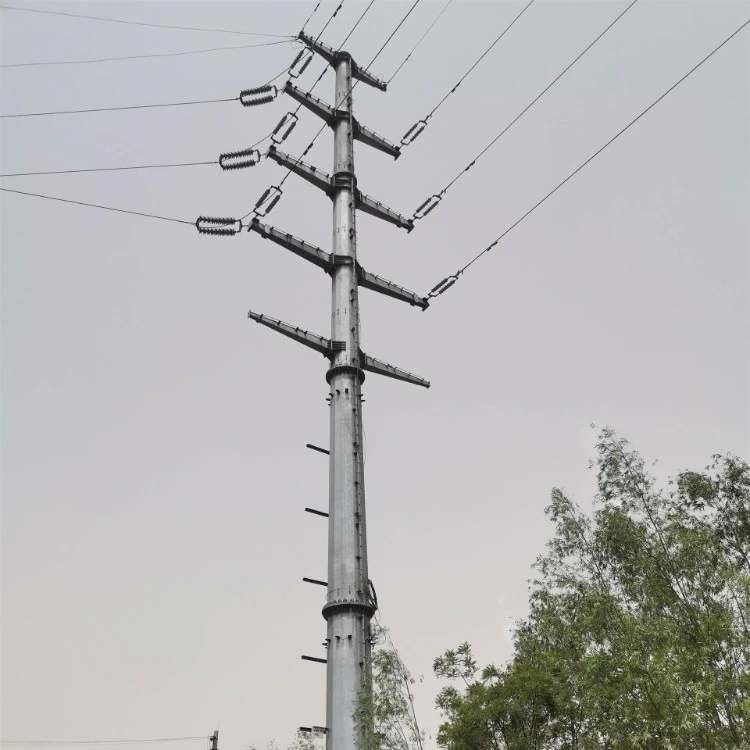
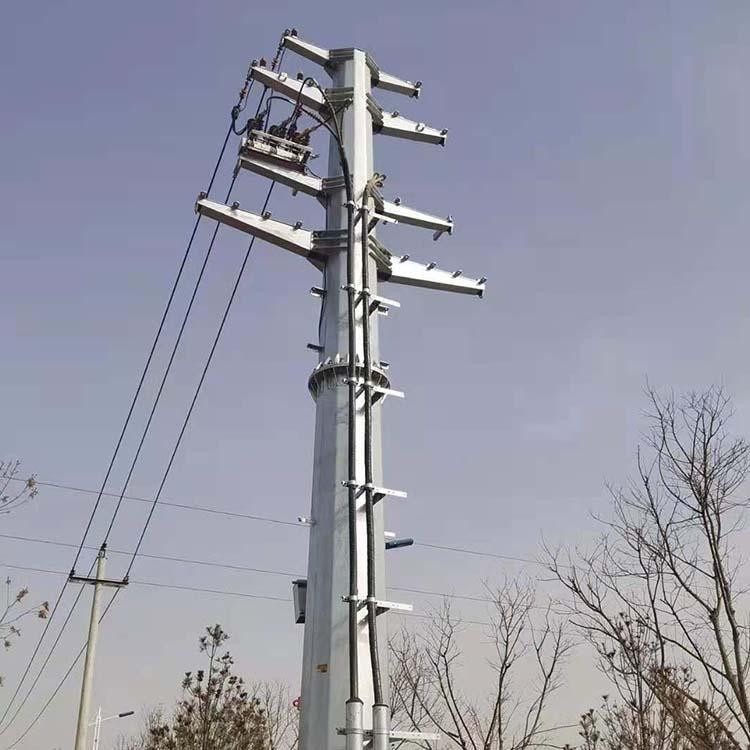
Decorative Lights
Decorative lights are used to add a touch of creativity and visual interest to the Tallest Monopole Tower. These lights can be installed in various locations along the tower, such as the top, sides, or base, and can be used to create a variety of effects, including static lighting, color-changing displays, or animated sequences. Decorative lights are often used in conjunction with other lighting components to enhance the overall aesthetic appeal of the tower.
Control System
The control system is an essential component of the lighting system in a Tallest Monopole Tower. This system is responsible for regulating the operation of the lights, including turning them on and off, adjusting their intensity, and changing their color. The control system can be programmed to operate automatically based on a pre-set schedule or can be controlled remotely using a computer or mobile device.
Design Considerations
When designing the lighting system for a Tallest Monopole Tower, several factors must be taken into account to ensure its effectiveness and efficiency. These factors include:
Tower Height and Location
The height and location of the Tallest Monopole Tower play a significant role in determining the type and number of lights required. Taller towers may require more powerful lights to ensure their visibility from a greater distance, while towers located in areas with high levels of ambient light may require additional lighting to stand out.
Environmental Conditions
The environmental conditions in which the Tallest Monopole Tower is located can also affect the design of the lighting system. For example, towers located in areas with harsh weather conditions, such as high winds, heavy rain, or extreme temperatures, may require lights that are more durable and resistant to damage. Additionally, towers located in areas with high levels of pollution or dust may require lights that are easy to clean and maintain.
Energy Efficiency
Energy efficiency is an important consideration in the design of the lighting system for a Tallest Monopole Tower. With the increasing cost of energy and the growing concern for environmental sustainability, it is essential to use lights that are energy-efficient and consume less power. LED lights are a popular choice for monopole towers due to their low energy consumption, long lifespan, and high brightness.
Maintenance and Safety
Maintenance and safety are also important factors to consider when designing the lighting system for a Tallest Monopole Tower. The lights should be easy to access and maintain, and the control system should be designed to allow for remote monitoring and troubleshooting. Additionally, the lighting system should be designed to meet all relevant safety standards and regulations to ensure the safety of the tower and its surrounding environment.
Conclusion
In conclusion, the lighting system in a Tallest Monopole Tower is a critical component that plays a vital role in ensuring its safety, visibility, and aesthetic appeal. By understanding the importance of lighting, the components of the lighting system, and the design considerations involved, it is possible to create a lighting system that is both effective and efficient.
As a provider of the Tallest Monopole Tower, we have extensive experience in designing and installing lighting systems that meet the specific needs and requirements of our clients. Our team of experts can work with you to develop a customized lighting solution that enhances the safety, visibility, and aesthetic appeal of your tower.
If you are interested in learning more about our Tallest Monopole Tower or our lighting system solutions, please visit our website at Tallest Monopole Tower. You can also explore our Steel Pole Tower options for more information. We look forward to the opportunity to discuss your project and provide you with a comprehensive solution.
References
- Federal Aviation Administration (FAA). (2023). Obstruction Marking and Lighting. Retrieved from FAA Website
- International Civil Aviation Organization (ICAO). (2022). Annex 14 - Aerodromes. Volume I - Aerodrome Design and Operations. Retrieved from ICAO Website
- Illuminating Engineering Society (IES). (2021). Lighting Handbook: Reference and Application. 10th Edition. Retrieved from IES Website