

What is the interior design of the tallest monopole tower?
As a leading supplier of the Tallest Monopole Tower, I am often asked about the interior design of these remarkable structures. The interior design of the tallest monopole tower is not just about aesthetics; it is a complex blend of functionality, safety, and innovation. In this blog, I will delve into the various aspects of the interior design of the tallest monopole tower, sharing insights based on our extensive experience in the industry.
Structural Considerations
The interior design of the tallest monopole tower starts with a solid understanding of its structural requirements. Monopole towers are designed to withstand various environmental forces, such as wind, snow, and seismic activity. The interior layout must be carefully planned to ensure that the tower's structural integrity is maintained.
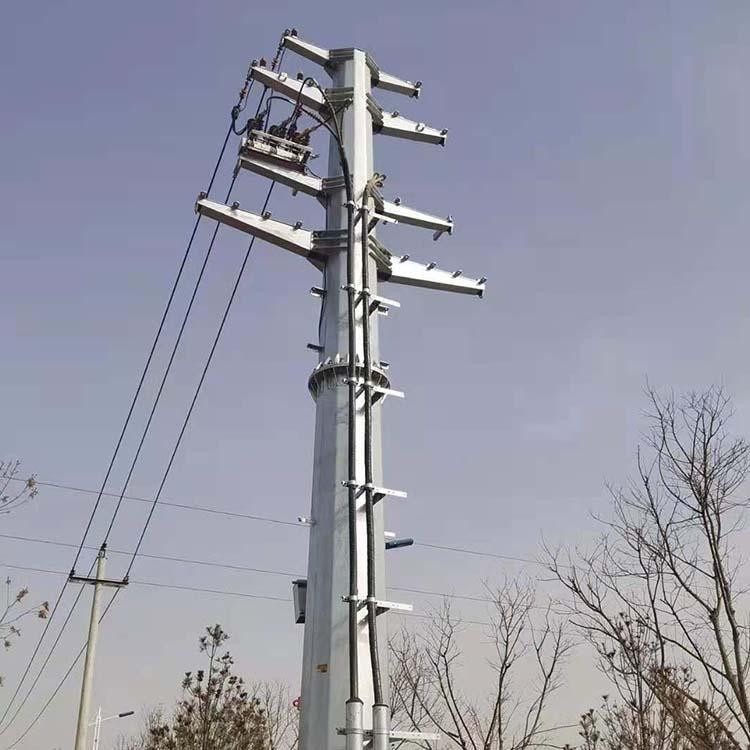
One of the key structural considerations is the placement of access ladders and platforms. These elements are essential for maintenance and inspection purposes. The ladders should be strategically located to provide easy access to different levels of the tower while minimizing the impact on the tower's structural stability. Platforms are also crucial for providing a safe working area for maintenance personnel. They need to be designed to support the weight of equipment and personnel and should be properly connected to the tower's structure.
Another important aspect is the routing of cables and utilities. Monopole towers are often used for telecommunications, power transmission, or other purposes that require the installation of cables. The interior design should include dedicated cable trays and conduits to organize and protect these cables. This not only ensures the proper functioning of the tower but also reduces the risk of damage to the cables due to environmental factors or human interference.
Safety Features
Safety is of utmost importance in the interior design of the tallest monopole tower. The tower must be designed to protect the lives of maintenance personnel and the general public. There are several safety features that are typically incorporated into the design.
Fire protection is a critical aspect. The interior of the tower should be equipped with fire suppression systems, such as sprinklers or fire extinguishers. Fire-resistant materials should be used for the construction of walls, floors, and ceilings to prevent the spread of fire. Additionally, clear evacuation routes should be marked and maintained to ensure that personnel can quickly and safely exit the tower in case of an emergency.
Fall protection is another key safety consideration. As mentioned earlier, access ladders and platforms are essential for maintenance. However, they also pose a risk of falls. To mitigate this risk, safety harnesses, guardrails, and safety nets should be installed at appropriate locations. These features provide a physical barrier to prevent falls and ensure the safety of personnel working at height.
Lighting is also an important safety feature. Adequate lighting should be provided throughout the interior of the tower to ensure visibility during maintenance and inspection activities. This includes both natural light sources, such as windows, and artificial lighting systems. Emergency lighting should also be installed to provide illumination in case of a power outage.
Functionality and Usability
The interior design of the tallest monopole tower should be optimized for functionality and usability. The tower's interior space should be used efficiently to accommodate the various equipment and systems required for its operation.
One of the primary functions of a monopole tower is to support telecommunications equipment. The interior design should include dedicated areas for the installation of antennas, transmitters, and receivers. These areas need to be designed to provide proper ventilation, temperature control, and electromagnetic shielding to ensure the optimal performance of the equipment.
In addition to telecommunications equipment, the tower may also house power distribution systems, control panels, and other electrical components. The interior design should provide easy access to these components for maintenance and repair. It should also include proper cable management to prevent tangling and ensure the efficient operation of the electrical systems.
Usability is also an important consideration. The interior layout should be designed to be user-friendly, with clear signage and easy-to-navigate pathways. This makes it easier for maintenance personnel to find their way around the tower and perform their tasks efficiently.

Aesthetics and Sustainability
While functionality and safety are the primary concerns, aesthetics and sustainability also play a role in the interior design of the tallest monopole tower. The tower's interior can be designed to have a modern and professional look, which not only enhances its visual appeal but also reflects positively on the organization that owns and operates the tower.
Sustainable design principles can also be incorporated into the interior design. This includes the use of energy-efficient lighting systems, the selection of environmentally friendly materials, and the implementation of water conservation measures. By adopting sustainable design practices, the tower can reduce its environmental impact and contribute to a more sustainable future.
Conclusion
The interior design of the tallest monopole tower is a complex and multi-faceted process. It requires a careful balance of structural considerations, safety features, functionality, usability, aesthetics, and sustainability. As a Tallest Monopole Tower supplier, we have the expertise and experience to design and build towers that meet the highest standards in all these areas.
If you are interested in learning more about our Tallest Monopole Tower products or have specific requirements for your project, we encourage you to contact us for a detailed discussion. Our team of experts will be happy to assist you in finding the best solution for your needs.
References
- Engineering Design Handbook for Monopole Towers, [Publisher Name], [Year]
- Safety Standards for Telecommunications Towers, [Organization Name], [Year]
- Sustainable Design Guidelines for Infrastructure Projects, [Institution Name], [Year]