

What is the fire - resistance of a steel pole tower?
As a supplier of Steel Pole Towers, I often encounter inquiries about the fire - resistance of these structures. In this blog, I'll delve into the details of what the fire - resistance of a steel pole tower entails, including the factors affecting it, the current standards, and how we, as a supplier, ensure the safety of our products in the face of fire hazards.
Understanding the Basics of Steel Pole Towers
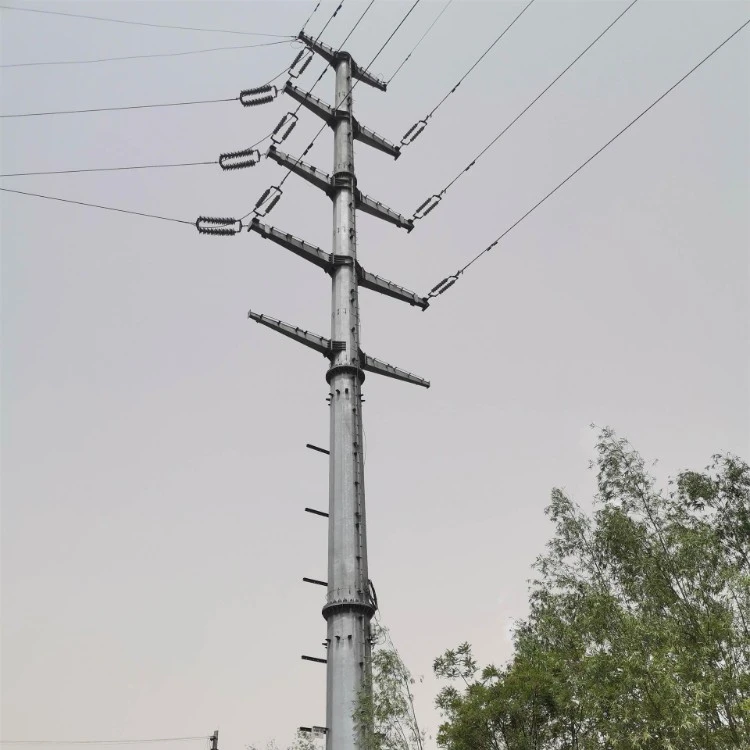
Before discussing fire - resistance, it's important to understand what steel pole towers are. Steel pole towers are commonly used in the power transmission and distribution industry. They are designed to support electrical conductors at various heights, ensuring the efficient and safe transfer of electricity over long distances. These towers come in different shapes and sizes, from single - pole structures to lattice towers. You can learn more about Steel Pole Tower on our website.
The Nature of Steel and Fire
Steel is a widely used material in construction due to its strength, durability, and relatively low cost. However, steel has a significant drawback when it comes to fire: its strength decreases as the temperature rises. At room temperature, steel has excellent structural properties. But as the temperature approaches 500°C (932°F), its yield strength starts to decline rapidly. By the time the temperature reaches 600°C (1112°F), steel can lose up to 50% of its strength, and at 800 - 1000°C (1472 - 1832°F), it becomes extremely weak and may even collapse under its own weight or the load it is supporting.
Factors Affecting the Fire - Resistance of Steel Pole Towers
1. Steel Composition
The composition of the steel used in the pole tower plays a crucial role in its fire - resistance. Different grades of steel have different chemical compositions, which can affect how they respond to heat. For example, some steels may contain alloying elements such as chromium, nickel, or molybdenum, which can improve the steel's high - temperature properties. These alloying elements can form a protective oxide layer on the surface of the steel, which slows down the rate of oxidation and heat transfer, thereby enhancing the fire - resistance of the tower.

2. Coating and Insulation
Applying fire - resistant coatings or insulation materials to the steel pole tower can significantly improve its fire - resistance. Fire - resistant coatings are designed to expand when exposed to heat, forming a thick, insulating char layer that protects the underlying steel from direct contact with the flames and high temperatures. Insulation materials, such as mineral wool or ceramic fiber, can also be used to wrap the steel members, reducing the heat transfer rate and keeping the steel temperature below the critical level for a longer period.
3. Structural Design
The design of the steel pole tower can also influence its fire - resistance. A well - designed tower should have a redundant structural system, which means that if one part of the tower is damaged by fire, the remaining parts can still carry the load and prevent the entire structure from collapsing. Additionally, the spacing and arrangement of the steel members can affect the ventilation and heat dissipation within the tower, which in turn can impact the fire - resistance performance.
Current Standards and Regulations
There are several national and international standards and regulations that govern the fire - resistance requirements for steel structures, including steel pole towers. For example, in the United States, the National Fire Protection Association (NFPA) has developed a series of standards, such as NFPA 5000, which provides guidelines for the design, construction, and maintenance of fire - resistant buildings and structures. In Europe, the Eurocode 3 Part 1 - 2 specifies the rules for the design of steel structures in fire situations.
These standards typically define the fire - resistance rating of a structure, which is expressed in terms of time (e.g., 1 hour, 2 hours). A higher fire - resistance rating means that the structure can withstand fire for a longer period without losing its structural integrity. As a supplier, we ensure that our steel pole towers comply with the relevant standards and regulations to guarantee the safety of our customers.
Our Approach as a Steel Pole Tower Supplier
At our company, we take the fire - resistance of our steel pole towers very seriously. We start by using high - quality steel with appropriate alloying elements to enhance its high - temperature properties. Our engineering team carefully selects the steel grades based on the specific requirements of each project and the expected fire hazards in the installation location.
In addition to using high - quality steel, we also apply advanced fire - resistant coatings to our pole towers. Our coatings are tested to meet or exceed the industry standards, and they are carefully applied to ensure uniform coverage and maximum effectiveness. We also offer the option of adding insulation materials to the tower structure for projects with more stringent fire - resistance requirements.
Furthermore, our design team uses state - of - the - art structural analysis software to optimize the design of the steel pole towers. We conduct fire simulations to evaluate the performance of the tower under different fire scenarios and make necessary adjustments to improve its fire - resistance.
Case Study: The Tallest Monopole Tower
One of our notable projects is the Tallest Monopole Tower. This tower is located in a region with a high risk of wildfires, so fire - resistance was a top priority in its design and construction.
We used a special grade of steel with enhanced high - temperature properties and applied a thick layer of fire - resistant coating to the entire structure. Our engineers also designed the tower with a redundant structural system to ensure its stability in case of fire damage. During the construction process, we conducted strict quality control checks to ensure that all the fire - protection measures were implemented correctly.
Since its installation, the tower has withstood several small - scale fires in the surrounding area without any structural damage, demonstrating the effectiveness of our fire - resistance solutions.
Conclusion and Call to Action
In conclusion, the fire - resistance of a steel pole tower is a complex issue that depends on various factors, including steel composition, coating and insulation, and structural design. As a leading supplier of steel pole towers, we are committed to providing our customers with high - quality, fire - resistant products that meet or exceed the industry standards.
If you are in the market for steel pole towers and are concerned about fire - resistance, we invite you to contact us for more information. Our team of experts will be happy to discuss your specific requirements and provide you with customized solutions. Whether you need a small - scale distribution tower or a large - scale transmission tower, we have the experience and expertise to deliver a safe and reliable product.
References
- National Fire Protection Association (NFPA). NFPA 5000: Building Construction and Safety Code.
- Eurocode 3 Part 1 - 2: Design of Steel Structures - Part 1 - 2: General Rules - Structural Fire Design.