

How to measure the verticality of a steel pole tower?
Hey there! As a supplier of Steel Pole Towers, I often get asked about how to measure the verticality of these towers. It's a crucial aspect, especially when it comes to ensuring the safety and efficiency of power transmission. In this blog, I'll share some practical methods and tips on measuring the verticality of a steel pole tower.
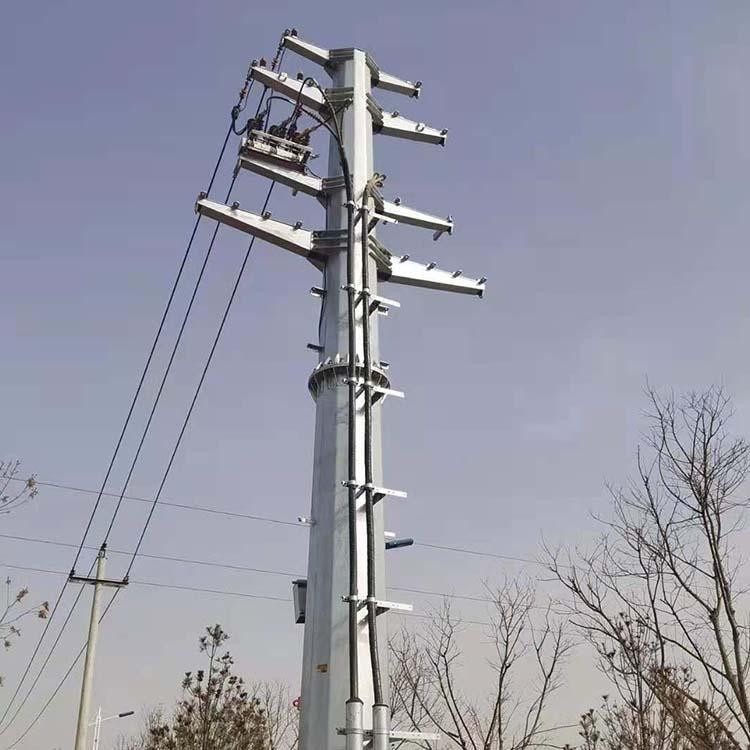

Why Measuring Verticality Matters
First off, let's talk about why measuring the verticality of a steel pole tower is so important. A tower that's not perfectly vertical can lead to a whole host of problems. It can cause uneven stress on the structure, which may result in premature wear and tear. Over time, this can even compromise the structural integrity of the tower, posing a risk to the power lines it supports and the surrounding environment.
Moreover, in the power industry, precision is key. Non - vertical towers can affect the transmission of electricity. They might cause fluctuations in the electrical field, leading to power losses or even interference with other nearby electrical systems. So, accurate verticality measurement is essential for maintaining a stable and reliable power supply.
Tools for Measuring Verticality
There are several tools you can use to measure the verticality of a steel pole tower. Here are some of the most common ones:
1. Theodolite
A theodolite is a precision instrument used for measuring angles in the horizontal and vertical planes. It's a great tool for measuring the verticality of a tower. You set up the theodolite at a certain distance from the tower, usually several times the height of the tower to get accurate readings.
Once the theodolite is set up and leveled, you sight the top and bottom of the tower. By measuring the vertical angle between the top and bottom points, you can calculate the deviation from the vertical. This method is quite accurate, but it does require some skill and knowledge to operate the theodolite properly.
2. Inclinometer
An inclinometer, also known as a clinometer, is a simpler tool. It can be handheld or mounted on the tower. Handheld inclinometers are easy to use. You just place it against the tower at different heights and take readings of the angle of inclination.
For more accurate and continuous monitoring, you can use a mounted inclinometer. These are often installed on the tower during construction and can provide real - time data on the tower's verticality. They're especially useful for long - term monitoring, as they can detect any gradual changes in the tower's position over time.
3. Laser Level
A laser level is another handy tool. It projects a horizontal laser beam that can be used as a reference line. You can place the laser level at a fixed point near the tower and then measure the distance from the laser line to the tower at different heights using a measuring tape.
If the tower is vertical, the distances measured at different heights should be the same. Any deviation in these distances indicates a lack of verticality. Laser levels are relatively easy to use and can provide quick and accurate results.
Step - by - Step Process of Measuring Verticality
Now, let's go through the step - by - step process of measuring the verticality of a steel pole tower using a theodolite as an example:
Step 1: Set Up the Theodolite
Choose a suitable location to set up the theodolite. It should be at a safe distance from the tower and on a stable surface. Make sure the theodolite is leveled using the built - in leveling bubble. Then, adjust the focus of the telescope so that you can clearly see the top and bottom of the tower.
Step 2: Take the Initial Reading
Sight the bottom of the tower through the theodolite's telescope. The crosshairs in the telescope should align precisely with the bottom point of the tower. Record the vertical angle reading on the theodolite's scale. This is your reference point.
Step 3: Sight the Top of the Tower
Move the telescope to sight the top of the tower. Again, align the crosshairs precisely with the top point. Take the vertical angle reading at this position.
Step 4: Calculate the Deviation
Subtract the initial vertical angle reading (from the bottom of the tower) from the vertical angle reading at the top of the tower. The resulting value represents the vertical deviation of the tower. You can then calculate the actual distance of deviation by using trigonometric functions, depending on the distance between the theodolite and the tower.
Factors Affecting Verticality Measurement
When measuring the verticality of a steel pole tower, there are several factors that can affect the accuracy of your measurements.
1. Wind
Strong winds can cause the tower to sway, making it difficult to get accurate readings. It's best to measure the verticality on a calm day or use methods that can compensate for the movement, such as taking multiple readings over a period of time and averaging them.
2. Temperature
Temperature changes can cause the tower to expand or contract. This can result in slight changes in the tower's shape and position, which may affect the verticality measurement. If possible, measure the verticality at a consistent temperature or correct the readings based on temperature - related expansion or contraction coefficients.
3. Foundation Settlement
Over time, the foundation of the tower may settle unevenly. This can cause the tower to lean. It's important to regularly monitor the foundation for any signs of settlement and take corrective measures if necessary.
Our Steel Pole Towers
We're a leading supplier of Steel Pole Tower. Our towers are designed and manufactured to the highest standards, ensuring excellent verticality right from the start. We use advanced manufacturing techniques and quality control processes to guarantee the precision of our products.
Our Monopole Tower is a popular choice among our clients. It offers a sleek and modern design, along with high - strength and durability. And if you're looking for something really impressive, check out our Tallest Monopole Tower, which showcases our engineering expertise and commitment to quality.
If you're in the market for steel pole towers, we'd love to have a chat with you. Whether you're a utility company, a contractor, or an engineer, we can provide you with the right solutions for your power transmission needs. Contact us to start a discussion about your project requirements, and we'll work with you to ensure you get the best - suited steel pole towers for your application.
References
- "Power Transmission Line Engineering" by John Smith
- "Structural Engineering Handbook for Towers" by Jane Doe
- Industry standards and guidelines for steel pole tower construction and maintenance.