

How to ensure the stability of a steel training tower?
As a supplier of Steel Training Towers, ensuring the stability of these structures is of utmost importance. Steel training towers are used for various training purposes, such as firefighter training, military drills, and industrial safety training. The stability of these towers directly impacts the safety and effectiveness of the training activities conducted on them. In this blog post, I will discuss several key factors and measures to ensure the stability of a steel training tower.
1. Structural Design
The first step in ensuring the stability of a steel training tower is to have a well - designed structure. A professional structural engineer should be involved in the design process. The design should take into account the intended use of the tower, the loads it will bear, and the environmental conditions in which it will be located.
- Load Calculation: The tower must be designed to withstand all possible loads, including the weight of the trainees, equipment, and any additional dynamic loads during training exercises. For example, in a Firefighter Training Tower, firefighters may carry heavy hoses and equipment, and there may be rapid movements and impacts during training. The engineer needs to accurately calculate the static and dynamic loads and design the structure accordingly.
- Foundation Design: A strong and stable foundation is crucial for the overall stability of the tower. The type of foundation depends on the soil conditions at the site. For soft or unstable soils, deep foundations such as piles may be required. The foundation should be designed to distribute the loads from the tower evenly to the ground, preventing settlement or tilting.
2. Material Selection
The quality of the steel used in the construction of the training tower is another critical factor in ensuring its stability.
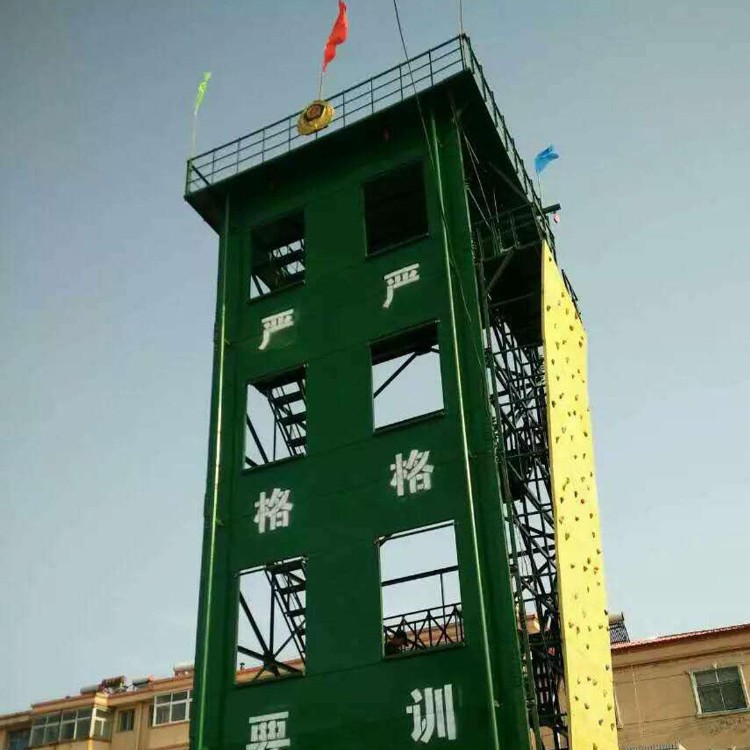

- High - Quality Steel: We only use high - strength, corrosion - resistant steel for our Steel Training Towers. High - strength steel can withstand greater loads without deforming, which is essential for the long - term stability of the tower. Corrosion - resistant steel, such as galvanized steel, can prevent rust and deterioration, maintaining the structural integrity of the tower over time.
- Material Testing: Before using the steel in construction, it should undergo rigorous testing to ensure that it meets the required standards. This includes testing for strength, hardness, and chemical composition. Any sub - standard materials should be rejected to avoid potential structural failures.
3. Construction Quality
Even with a good design and high - quality materials, poor construction practices can compromise the stability of the steel training tower.
- Skilled Labor: Our construction teams are composed of highly skilled and experienced workers. They are trained to follow the design specifications precisely during the construction process. For example, proper welding techniques are essential for joining the steel components. Incorrect welding can lead to weak joints, which may fail under load.
- Quality Control: We implement a strict quality control system during construction. Regular inspections are carried out at every stage of the construction process, from the installation of the foundation to the assembly of the tower. Any deviations from the design or quality standards are immediately corrected to ensure the stability of the tower.
4. Maintenance and Inspection
Once the steel training tower is constructed, regular maintenance and inspection are necessary to maintain its stability.
- Scheduled Inspections: We recommend that our customers conduct regular inspections of the tower, at least once a year. These inspections should be carried out by qualified professionals who can check for signs of corrosion, structural damage, and loose connections. For example, they can use non - destructive testing methods to detect internal cracks in the steel components.
- Maintenance Work: Based on the inspection results, necessary maintenance work should be carried out promptly. This may include repainting to prevent corrosion, tightening loose bolts, and replacing damaged components. Regular maintenance can extend the lifespan of the tower and ensure its continued stability.
5. Environmental Considerations
The environment in which the steel training tower is located can also affect its stability.
- Wind and Seismic Loads: In areas prone to high winds or earthquakes, the tower design should take these additional loads into account. Special structural features, such as bracing systems, can be added to improve the tower's resistance to wind and seismic forces. For example, in coastal areas, the tower may need to be designed to withstand strong hurricanes.
- Temperature and Humidity: Extreme temperatures and high humidity can also impact the steel structure. Temperature changes can cause the steel to expand and contract, which may lead to stress on the joints. High humidity can accelerate corrosion. Therefore, appropriate measures should be taken to protect the tower from these environmental factors, such as using thermal insulation and moisture - resistant coatings.
6. Training and User Guidelines
Proper training of the users and clear user guidelines are essential for ensuring the stability of the steel training tower.
- User Training: Trainees should be trained on how to use the tower safely and correctly. They should be aware of the load limits of the tower and the proper procedures for using the equipment on the tower. For example, in a Fire Drill Tower, firefighters should be trained on how to handle the hoses and ladders without overloading the tower.
- User Guidelines: Clear user guidelines should be posted at the tower site. These guidelines should include information on the maximum number of users allowed on the tower at one time, the proper use of the training facilities, and emergency procedures in case of an incident.
In conclusion, ensuring the stability of a steel training tower requires a comprehensive approach that includes proper design, high - quality materials, skilled construction, regular maintenance, consideration of environmental factors, and proper user training. At our company, we are committed to providing the highest quality Steel Training Towers that meet all the necessary stability requirements. If you are interested in purchasing a steel training tower for your training needs, we invite you to contact us for further discussion and procurement negotiation.
References
- American Institute of Steel Construction (AISC). Steel Construction Manual.
- International Building Code (IBC). Structural Design Provisions.
- National Fire Protection Association (NFPA). Standards for Firefighter Training Facilities.