

How to choose the right steel pole tower for a project?
Hey there! As a supplier of Steel Pole Towers, I've seen firsthand how crucial it is to pick the right one for a project. It's not just about getting a tower that stands up; it's about finding the perfect fit for your specific needs. In this blog, I'll share some tips on how to choose the right steel pole tower for your project.
1. Understand Your Project Requirements
First things first, you gotta know what your project needs. Think about the purpose of the tower. Is it for power transmission, telecommunications, or something else? Different uses have different requirements. For power transmission, you need a tower that can handle the weight of the power lines and withstand environmental factors like wind and ice. Telecommunication towers, on the other hand, need to support antennas and other equipment, and they might need to be located in areas with good signal coverage.
You also need to consider the location of the project. Is it in a rural area, a city, or a coastal region? The terrain and climate can have a big impact on the type of tower you need. For example, if it's in a coastal area, you'll need a tower that's resistant to corrosion from saltwater. In a windy region, you'll need a tower that's designed to withstand high winds.
2. Consider the Tower Design
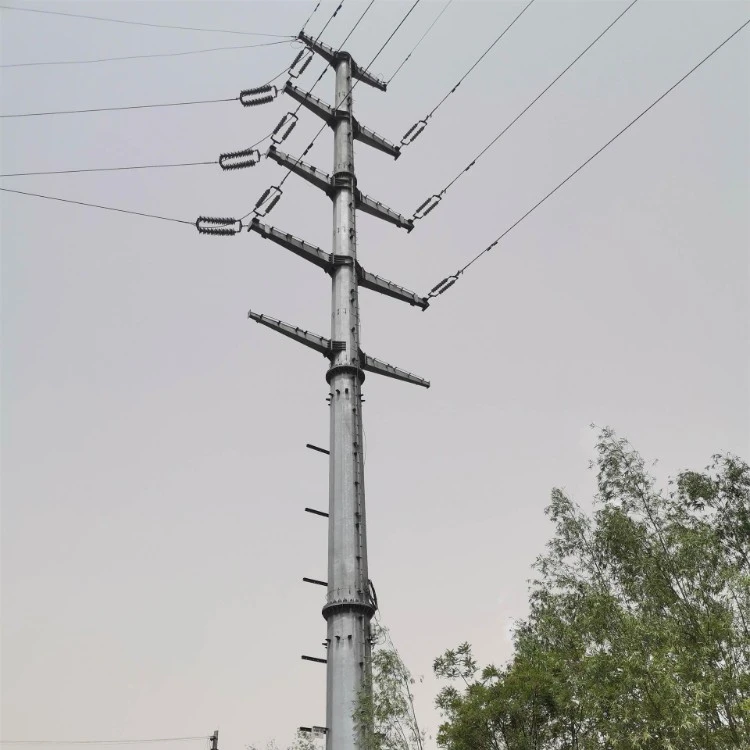
There are different types of steel pole tower designs out there, and each has its own advantages and disadvantages. One common type is the Tallest Monopole Tower. Monopole towers are single - pole structures that are often used in urban areas because they take up less space. They're also relatively easy to install and maintain.
Another type is the lattice tower. Lattice towers are made up of a framework of steel bars, which makes them very strong and able to support heavy loads. They're commonly used for high - voltage power transmission lines.
When choosing a design, think about the space you have available, the load it needs to carry, and the aesthetic requirements of the project. If you're working in a tight space, a monopole tower might be the way to go. But if you need to support a lot of weight, a lattice tower could be a better option.
3. Evaluate the Tower's Material Quality
The quality of the steel used in the tower is super important. You want a tower made from high - quality steel that's strong, durable, and resistant to corrosion. Good quality steel will ensure that the tower lasts for a long time and can withstand the elements.
Ask your supplier about the type of steel they use. Look for steel that has been treated with anti - corrosion coatings, such as galvanization. Galvanized steel has a layer of zinc on its surface, which protects it from rust and corrosion. This can significantly extend the lifespan of the tower.
4. Check the Supplier's Reputation
As a supplier myself, I know how important it is to have a good reputation. When choosing a steel pole tower, you want to work with a supplier who has a track record of delivering high - quality products on time.
Look for reviews and testimonials from other customers. You can also ask the supplier for references and contact them to find out about their experience. A reliable supplier will be able to provide you with detailed information about their products, including specifications, installation instructions, and maintenance guidelines.
5. Think About Cost and Budget
Cost is always a factor when it comes to any project. But don't just go for the cheapest option. You need to balance cost with quality. A low - cost tower might save you money upfront, but it could end up costing you more in the long run if it needs frequent repairs or has a short lifespan.
Get quotes from different suppliers and compare them. Make sure you understand what's included in the price, such as delivery, installation, and any warranties. Sometimes, a slightly higher - priced tower from a reputable supplier can be a better investment because it will last longer and perform better.
6. Look at Installation and Maintenance
The ease of installation and maintenance is another important consideration. You want a tower that can be installed quickly and easily without causing too much disruption to the project site. Some towers come pre - fabricated, which means they can be assembled on - site more efficiently.
Maintenance is also crucial. A tower that's easy to maintain will save you time and money in the long run. Look for towers that have accessible components and require minimal upkeep. Your supplier should be able to provide you with information on the maintenance requirements of the tower.
7. Comply with Regulations and Standards
Make sure the steel pole tower you choose complies with all relevant regulations and standards. There are usually local, national, and international standards for tower design, construction, and installation. These standards are in place to ensure the safety and reliability of the tower.
Your supplier should be familiar with these standards and be able to provide you with documentation to prove that the tower meets them. Non - compliant towers can lead to legal issues and safety hazards, so it's essential to get this right.

Conclusion
Choosing the right steel pole tower for a project is a complex process, but by considering these factors, you can make an informed decision. Remember to understand your project requirements, evaluate the tower design, check the material quality, look at the supplier's reputation, balance cost and quality, think about installation and maintenance, and comply with regulations.
If you're in the market for a Steel Pole Tower, I'd love to have a chat with you. We have a wide range of high - quality steel pole towers that can meet your specific needs. Whether you're working on a small - scale project or a large - scale infrastructure development, we can help you find the perfect tower. Don't hesitate to reach out for more information or to start a procurement discussion.
References
- Industry standards for steel pole tower design and construction
- Case studies of successful steel pole tower projects
- Technical literature on steel materials and anti - corrosion treatments