

How often should Fire Drill Tower drills be conducted in a workplace?
Hey there everyone! I'm in the business of supplying Fire Drill Towers, and I often get asked this one burning question (pun intended): How often should Fire Drill Tower drills be conducted in a workplace? It's a crucial topic, and today, I'm gonna break it down for you.
First off, let's talk about why these drills are so important. Fires can break out unexpectedly, and having a well - rehearsed emergency plan can save lives and reduce property damage. A Fire Drill Tower provides a realistic environment for employees to practice evacuating a building safely, learn how to use fire - fighting equipment, and understand the proper emergency procedures. You can check out our Fire Drill Tower for more details on what we offer.
Now, there's no one - size - fits - all answer to how often these drills should be done. It depends on several factors.
Workplace Type
The nature of the workplace plays a huge role. For example, in a manufacturing plant, where there are often flammable materials and complex machinery, the risk of fire is relatively high. In such a place, it's advisable to conduct Fire Drill Tower drills at least quarterly. This frequent practice ensures that employees are always on their toes and know exactly what to do in case of a real fire.
On the other hand, an office environment generally has a lower fire risk. However, it still can't be ignored. Offices usually have a large number of people in a confined space, and a fire could quickly turn into a disaster. For offices, semi - annual drills are usually sufficient. This gives employees enough time to refresh their knowledge of emergency procedures without overburdening the normal work routine.
Employee Turnover
High employee turnover is another factor to consider. If your workplace has a large number of new employees coming in regularly, you need to conduct drills more often. New employees may not be familiar with the building layout, emergency exits, or fire - safety protocols. By having more frequent drills, you can ensure that everyone, regardless of how long they've been with the company, is well - trained. For workplaces with high turnover, monthly or bi - monthly drills might be necessary until the new employees are fully integrated into the safety culture.
Local Regulations
Don't forget about local laws and regulations. Different regions have different requirements when it comes to fire safety drills. Some areas may mandate a certain number of drills per year, while others may have more specific guidelines based on the type of business. It's essential to stay updated on these regulations and make sure your workplace is in compliance. Failing to do so can result in hefty fines and, more importantly, put your employees at risk.
Building Complexity
The complexity of the building also affects the drill frequency. A multi - story building with multiple floors, basements, and complex corridors requires more frequent drills. Evacuating such a building can be challenging, and employees need to practice navigating through the various levels and finding the exits. In contrast, a single - story building is generally easier to evacuate, and the drills can be less frequent.
Equipment and System Updates
If your workplace has recently updated its fire - safety equipment, such as installing new fire alarms, sprinkler systems, or fire extinguishers, it's a good idea to conduct a drill soon after. This allows employees to get familiar with the new equipment and understand how it works. Similarly, if there have been any structural changes to the building, like the addition of new rooms or the closure of an exit, a drill should be held to ensure everyone knows the new evacuation routes.

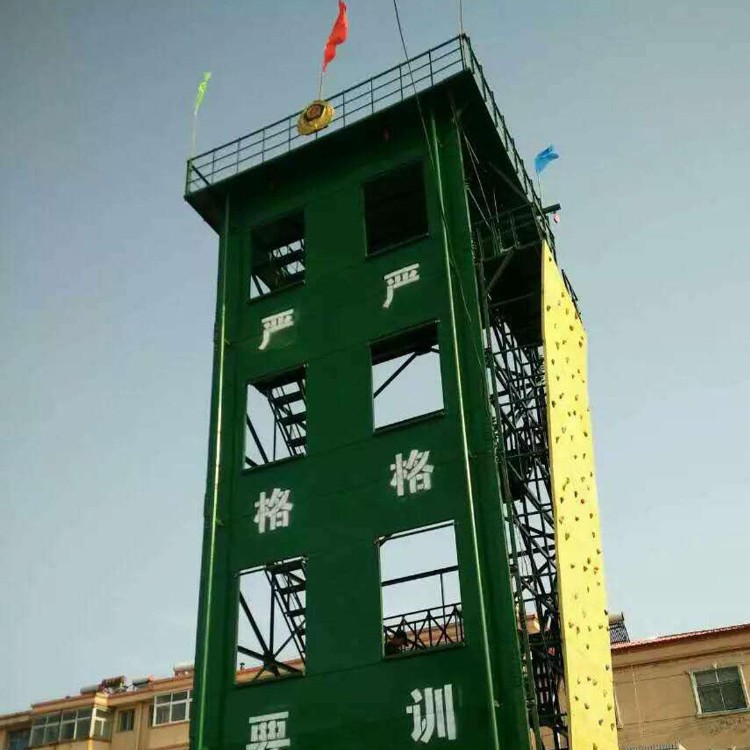
Now, let's talk about the benefits of conducting regular Fire Drill Tower drills.
Improved Safety Awareness
When employees participate in these drills regularly, they become more aware of potential fire hazards in the workplace. They start to notice things like blocked exits, overloaded electrical sockets, or flammable materials left in the wrong places. This increased awareness can actually prevent fires from happening in the first place.
Faster Evacuation
Regular practice means that employees can evacuate the building more quickly and efficiently. In a real fire situation, every second counts, and a well - rehearsed evacuation can save lives. With frequent drills, employees know exactly where to go and how to get there, reducing the chances of panic and confusion.
Teamwork and Coordination
Fire drills also promote teamwork and coordination among employees. Everyone has a role to play during an evacuation, whether it's helping colleagues with disabilities, closing doors to contain the fire, or guiding others to the exits. Through regular drills, employees learn to work together effectively, which is crucial in a high - stress situation.
Compliance and Reputation
As mentioned earlier, complying with local fire - safety regulations is important. Conducting regular drills shows that your workplace takes fire safety seriously. This not only protects your employees but also enhances your company's reputation. Customers, partners, and investors are more likely to trust a company that prioritizes the safety of its employees.
We also offer Firefighter Training Tower and Steel Training Towers for those who need more advanced fire - safety training. These towers are designed to provide a more realistic and challenging training environment for firefighters and other emergency responders.
If you're interested in purchasing a Fire Drill Tower for your workplace, I encourage you to get in touch with us. We can help you determine the best type of tower for your needs, based on your workplace characteristics, budget, and training requirements. Our team of experts will work closely with you to ensure that you get the most out of your investment. Whether you're a small business or a large corporation, we have the right solution for you.
In conclusion, the frequency of Fire Drill Tower drills in a workplace depends on various factors such as workplace type, employee turnover, local regulations, building complexity, and equipment updates. By considering these factors and conducting drills regularly, you can ensure the safety of your employees and protect your business from the devastating effects of a fire.
References
- National Fire Protection Association (NFPA) guidelines
- Local fire - safety regulations
- Industry best practices for workplace safety